In digital marketing today, even a small heart emoji can quickly improve a brand’s engagement and recall. This tiny symbol connects directly with the audience’s emotions, which makes brand messaging feel warm and more human. Emojis make communication easy, expressive, and friendly and the heart emoji has the strongest emotional effect.
The purpose of this article is to help you understand how brands use heart emojis in a smart way, what kind of emotional impact they create, and how you can add them to your own marketing campaigns effectively. All of these explanations are based on ideas like digital marketing, brand identity, emoji psychology, and online communication.
Why Emojis Matter in Modern Branding
Emojis have become a universal emotional language in today’s online world. Visual communication is fast, easy to understand, and it grabs the audience’s attention instantly. This is why brands use emojis they make every message look friendly, clear, and relatable.
The emotional power of the heart emoji is especially valuable for brands because it directly expresses love, care, support, and positivity. When a brand uses a heart emoji, the audience feels that the brand is warm, friendly, and customer-focused. This small emotional signal helps build trust and naturally improves engagement.
Rise of Visual Communication
Today, users process visuals much faster than text. Emojis are a type of visual language that provide both clarity and expression. They convey emotions strongly without making the message complicated. This is why brands regularly include emojis in their captions, emails, advertisements, and graphics.
Heart Emojis’ Emotional Power
The heart emoji has a very soft and positive meaning. It represents love, appreciation, gratitude, and support. Brands prefer using the heart emoji because it instantly makes their tone warm and emotional. Research also shows that emotional symbols can increase engagement rates, which makes the heart emoji a powerful psychological trigger in marketing.
Types of Heart Emojis Brands Commonly Use
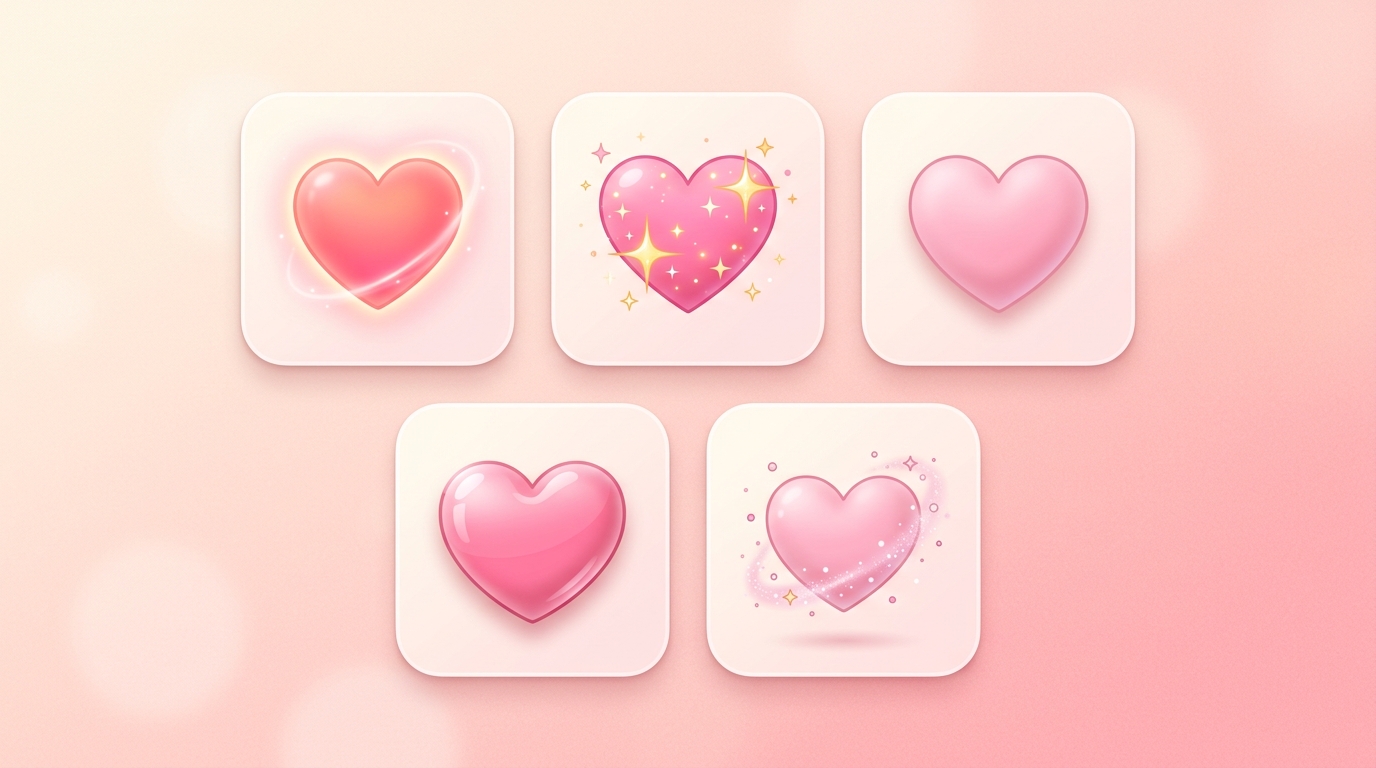
Brands choose heart emojis based on their audience and overall aesthetic. Each color represents a different emotion, so selecting the right one is very strategic. Beauty and lifestyle brands usually prefer soft pink hearts, while fitness and wellness brands often use bold red hearts. Some brands also add sparkly or growing hearts to show excitement and celebration. More advanced brands even create custom heart stickers or branded emojis to strengthen their visual identity and make their content instantly recognizable.
Pink Heart
The pink heart gives a soft, friendly, and aesthetic feel. It is a favorite emoji for beauty, fashion, skincare, and lifestyle brands because it naturally matches their overall vibe. Posts with pink hearts create a cute and warm tone, which is especially appealing to a younger audience.
Red Heart
The red heart represents loyalty, deep care, and strong appreciation. Brands mostly use it in customer appreciation posts, testimonials, or statements about their brand values. The tone of the red heart is a bit stronger, which makes it perfect for motivation- and energy-focused niches, such as fitness.
Sparkly Heart / Growing Heart
Sparkly or growing hearts show excitement, celebration, and a sense of community bonding. Brands use them in product launches, milestone celebrations, and community posts. These emojis create a very joyful and uplifting vibe overall.
Brand-Customized Heart Emoji Styles
Some brands design custom heart emojis and stickers that match their brand colors. This strengthens their visual identity and makes their content instantly recognizable. TikTok filters and Instagram story stickers can also create the same strong branding effect.
Case Studies: How Real Brands Use Heart Emojis
Real brands use heart emojis in very smart ways, and their engagement increases as a result. Brands like Instagram, Starbucks, and Sephora have shown that heart emojis create emotional reactions and make their branding feel soft, friendly, and modern.
Instagram’s entire engagement system revolves around the heart emoji. Reactions, likes, and comments all involve the heart icon. This makes the platform’s tone feel emotional and personal. Instagram itself encourages users to communicate in an emotional way using these emojis.
Starbucks
Starbucks uses pink hearts in its cozy, warm, and seasonal campaigns. This emoji strengthens their community-focused tone. The result is that the audience feels a warm, aesthetic, and “feel-good” vibe when interacting with the brand.
Sephora / Beauty Brands
Beauty brands use pastel and soft pink hearts to make their product promotions look aesthetically appealing. These emojis make their storytelling soft, feminine, and visually pleasing, which attracts the beauty-focused audience very effectively.
Fitness & Wellness Brands
Fitness brands use the red heart because it represents energy, power, and motivation. This emoji inspires customers and helps create a sense of community around the brand.
Fashion Brands Killing It With Heart Emojis
Fashion brands use hearts very strategically in their TikTok and Reels content. They use pink hearts for a soft aesthetic, sparkly hearts for a glamorous look, and red hearts for a bold style. This makes their product drops and trending challenges visually strong and more appealing to viewers.
Lessons From These Case Studies
A common pattern among all these brands is that their emoji usage is consistent, their messaging focuses on emotions, and their content is based on storytelling. Heart emojis make their branding tone clear instantly and help the audience immediately understand the brand’s personality.
Strategic Ways Brands Can Use Heart Emojis
Heart emojis become powerful in marketing when they are used strategically. They make a brand’s voice feel more human, make CTAs more attractive, improve social media engagement, and even enhance email marketing results. Overall, heart emojis make visual branding and user-generated content interactions feel warm, friendly, and trustworthy.
Make Your Brand Voice Feel Human
Heart emojis instantly make a brand’s tone feel soft and friendly. They break the feel of robotic or corporate communication and give a natural, human touch to interactions.
Enhance CTA Click-Through
Heart emojis make CTAs stand out visually. When a heart is added to a CTA, it gives users a positive emotional signal. This small detail can noticeably increase clicks and overall engagement.
Boost Social Media Engagement
On social media, heart emojis in captions send a warm signal to the audience. Using hearts when replying to comments helps create a sense of community. During giveaways or other social interactions, hearts can significantly boost engagement.
Email Marketing With Emojis
In email marketing, adding a heart emoji in the subject line can improve open rates because it makes the message feel friendly. Including a heart next to the CTA button gives the email an emotional push and encourages action.
Improve Visual Branding
For visual branding, heart emojis work best when they match the brand’s color palette in graphics, reels, and banners. This alignment makes the overall branding look cohesive, modern, and aesthetically pleasing.
Pairing Heart Emojis With UGC
Heart emojis also work very well with user-generated content. Adding hearts in UGC posts shows sincere appreciation to customers. Using hearts in community shoutouts, thank-you messages, or fan reposts strengthens trust and enhances the authenticity of the brand.
Common Mistakes Brands Make When Using Heart Emojis
Sometimes brands overuse emojis, which can make their content look childish or spammy. Using the wrong color heart can also change the emotion of the message. Cultural differences are important to consider because emojis can have different meanings in different regions. In serious or technical content, it’s better to avoid emojis to maintain a professional tone.
Step-by-Step Guide
If you want heart emojis to give real results for your brand like higher engagement, stronger audience trust, and a warmer content tone you shouldn’t use them randomly. It’s important to create a proper branding strategy where every emoji has a clear purpose. Below is a step-by-step detailed guide to help you build smart, effective, and consistent heart emoji branding for your brand.
Define Your Emotional Tone
The first step is to decide what kind of emotion your brand represents. Heart emojis amplify these emotions, so it’s very important to have a clear tone.
For a soft and friendly tone, beauty, fashion, and lifestyle brands usually use pink or pastel hearts because they create a sweet and aesthetic vibe.
For a warm and caring tone, NGOs, community brands, and mom blogs often use red or pink hearts to show warmth and care.
For a bold and energetic tone, brands in fitness, wellness, and sports niches use strong red hearts to show motivation and power.
For a playful and fun tone, youth-oriented brands use sparkly, growing, or shiny hearts to make their content lively and engaging.
Defining your emotional tone ensures that your emoji usage feels consistent across all platforms, which is a core rule of branding.
Pick Heart Emoji Types That Match Your Brand
Once you have decided your emotional tone, the next step is to choose which heart emoji best matches your brand. Every heart emoji has its own emotional meaning:
Pink Heart (💗 / 💖)
Cute, soft, and aesthetic best for beauty, fashion, influencers, and feminine brands.
Red Heart (❤️)
Represents strong love, loyalty, and passion ideal for fitness, wellness, and relationship-focused brands.
Sparkly Heart (💞 / 💘)
Shows celebration, excitement, and community bonding perfect for product launches and milestone events.
Growing Heart (💓)
Represents emotional growth, progress, and improvement commonly used by coaching, wellness, and personal development brands.
Custom-Branded Heart
You can also design emoji-style heart stickers that match your brand colors. This is a very strong branding move.
Picking the correct emoji type ensures that every post feels emotionally consistent. It avoids confusion and helps the audience immediately understand the tone of your brand.
Build a Consistent Emoji Stylebook
A professional brand emoji stylebook is very powerful. It is basically a small document that explains which emojis the brand will use, when to use them, how to use them, and in what quantity.
In this stylebook, you include:
- Which heart emojis are allowed
- The exact use-case for each emoji
- Emoji options that match your color palette
- Rules for emoji placement in captions (start, middle, or end)
- Friendly emojis for comment replies
- Rules to avoid overusing emojis
For example:
Red hearts will only be used in posts expressing gratitude and loyalty, while pink hearts will be used in posts with a delicate aesthetic. One heart emoji is allowed next to a CTA. A maximum of three heart emojis is allowed in a caption.
This makes the brand identity look clean and professional. Every social media manager follows the same rules, which keeps content consistent across all platforms.
Use Emojis Across All Channels Consistently
A strong emoji strategy does not work only on Instagram — the same tone should be followed on every platform. When your audience sees your brand on Facebook, TikTok, Instagram, your website, or in emails, the emoji tone should feel consistent everywhere.
You can use heart emojis consistently in these places:
- Captions (to create a soft and emotional tone)
- Story stickers (using brand-colored hearts)
- Reels or TikTok text overlays (pink or sparkly hearts for aesthetics)
- Email subject lines (one heart can increase open rates)
- Newsletter CTAs (❤️ “Sign Up Now”)
- Website banners
- Customer thank-you messages
- User-generated content (UGC) repost comments
The benefit of this consistency is that the audience instantly recognizes the brand and feels the same emotional connection, no matter which platform they are using.
Track Engagement Metrics
The final step is the most important: measuring performance. Using emojis alone is not a strategy — you need to see which emojis are actually giving real results.
You can track these metrics:
- Which posts with heart emojis got the most engagement?
- Which heart color improved the click-through rate (CTR)?
- Which caption placement of the emoji gave the best reaction — start, middle, or end?
- How did sparkly hearts perform on Reels or TikTok?
- Which heart emoji in email subject lines led to the highest open rate?
After 3–4 weeks of data, you will see a clear pattern showing which emojis perform best for your audience type. Then you can update your stylebook based on these results — this is what real emoji branding looks like.
Conclusion
The emotional impact of the heart emoji is very powerful in marketing. It naturally improves connection, engagement, and customer trust. Modern brands use heart emojis intentionally to make their communication feel warm, real, and memorable. In simple words: emojis create connection, connection leads to engagement, and engagement brings conversions.