WhatsApp Emoji Meanings — 50 Best Most Used Decoded (2026)
WhatsApp Emoji Meanings — 50 Best Most Used Decoded (2026)
WhatsApp Emoji Meanings: 50 Best Most Used Decoded (2026)
💬 WhatsApp Guide
WhatsApp Emoji Meanings — 50 Best Most Used Decoded (2026)
Every emoji you send on WhatsApp carries a meaning — and some carry meanings you never intended. This guide decodes the 50 most used WhatsApp emojis with real chat examples, hidden meanings, and etiquette tips that actually matter in 2026.
📅 Updated May 2026 ⏱ 10 min read ✅ 50 emojis covered 💬 Real examples included
⚡ Quick Answer
WhatsApp emoji meanings depend heavily on context, relationship, and who is sending them. The most used emojis are 😂 (laughter), ❤️ (love), 😭 (emotional overflow), 🙏 (gratitude), 🔥 (approval), and 👍 (agreement) — though several of these carry hidden meanings that differ by generation. This guide explains all 50 with real examples so you never misread a WhatsApp message again.
3B+WhatsApp users worldwide
3,900+Emojis in Unicode 16.0
50Most used emojis decoded
40%More replies with emojis
1 Why WhatsApp Emoji Meanings Matter in 2026
WhatsApp is not just a messaging app. With over 3 billion active users, it is the world’s most-used private communication platform — and emojis are the emotional backbone of almost every conversation that happens on it.
The problem is that emoji meanings are not fixed. The same emoji can mean entirely different things depending on who is sending it, who is receiving it, what generation they belong to, and what platform they are looking at it on. WhatsApp has its own custom emoji designs that display on Android and WhatsApp Web — which means the same emoji can look noticeably different on your phone versus your friend’s iPhone.
Misreading an emoji on WhatsApp is not just awkward. In personal conversations, getting the meaning wrong can create genuine misunderstandings — and in professional or customer-facing WhatsApp threads, the wrong emoji can damage relationships entirely.
Key fact: WhatsApp messages that include well-chosen emojis receive approximately 30–40% more replies than plain text messages, according to recent messaging research. Understanding emoji meanings is not just interesting — it directly affects how your messages land.
M
Maya
online
Did you see what happened today? 😭
2:14 PM
Wait — are you okay? 🙏
2:15 PM ✓✓
Haha yes! It was just SO funny I can’t 😭😭
2:15 PM
Oh thank god — I read that completely wrong 😅
2:16 PM ✓✓
That exchange illustrates exactly why this guide exists. 😭 looks like sadness. In 2026, it often means laughter or emotional overwhelm of any kind. Knowing the difference changes everything.
2 Face & Smiley Emojis — 15 Decoded
Face emojis are the most used category on WhatsApp by a wide margin. Here are the 15 most important ones with their exact meanings and what they can get wrong:
😂
Face with Tears of Joy
Uncontrollable laughter — “this is so funny I’m crying.” The most-used emoji on WhatsApp globally. Older generations use it sincerely; Gen Z increasingly prefers 💀 instead.
Most used worldwide
😭
Loudly Crying Face
Can mean genuine sadness OR extreme laughter OR emotional overflow of any kind. Context determines which. The #1 most-mentioned emoji on social media in 2025 with 814M posts.
Context-dependent
😍
Smiling Face with Heart Eyes
Love, admiration, or intense attraction. Used on WhatsApp to say “I love this” or “you look amazing.” Can carry flirty undertones depending on relationship.
Love & admiration
🙃
Upside-Down Face
Does NOT mean happy or silly. On WhatsApp, this signals forced cheerfulness in a bad situation — “this is fine” sarcasm. Older users often misread this as friendly.
⚠️ Often misread
😅
Grinning Face with Sweat
Awkward relief, nervous laughter, or “I can’t believe that happened.” Used after embarrassing situations or when something goes slightly wrong.
Awkward relief
🥺
Pleading Face
Puppy-dog eyes — sincere requests, finding something overwhelmingly cute, or genuine vulnerability. Used to make a request feel warmer and more personal.
Sincere request
😊
Smiling Face with Rosy Cheeks
Warm, friendly happiness. The classic “I’m genuinely happy” emoji. Also used when someone receives a compliment and feels shy or touched by it.
Genuine warmth
😏
Smirking Face
Knowing mischief, playful confidence, or light flirting. Signals “I know something you don’t” or mild teasing. Can read as flirty in the right context.
Flirty / knowing
😢
Crying Face
Genuine sadness or disappointment. Unlike 😭 which has multiple meanings, 😢 almost always signals real emotional pain or sincere disappointment.
Genuine sadness
🤔
Thinking Face
Consideration, skepticism, or genuine curiosity. Used when someone is genuinely weighing something or subtly questioning a statement without saying so directly.
Skeptical / curious
😬
Grimacing Face
Secondhand embarrassment or nervous discomfort. Used when watching something cringe-worthy or when a situation is awkward for everyone involved.
Secondhand cringe
🤡
Clown Face
Self-directed foolishness — “I played myself.” Almost always used to call out one’s own bad decision. Directing it at someone else requires an established close relationship.
Self-roast
🫠
Melting Face
Extreme embarrassment, social anxiety, or “I want to disappear right now.” The emoji for moments when something is so awkward you are metaphorically dissolving.
Peak embarrassment
😤
Face with Steam from Nose
Frustration, determination, or triumph. In Western countries it typically means anger or annoyance. Can be misread across cultures — use with care in international chats.
Cultural variation
🥹
Face Holding Back Tears
Deeply moved, touched, or holding back happy or sad tears. Used for moments of overwhelming gratitude, beauty, or emotion that is too big for words but too sincere for 😭.
Deeply moved
3 Heart Emojis — Every Color Explained
Heart emojis are where WhatsApp miscommunication happens most often. Each color carries a genuinely different emotional signal — and sending the wrong heart can completely change the message you intended.
Emoji
Name
WhatsApp Meaning
Best Used For
❤️
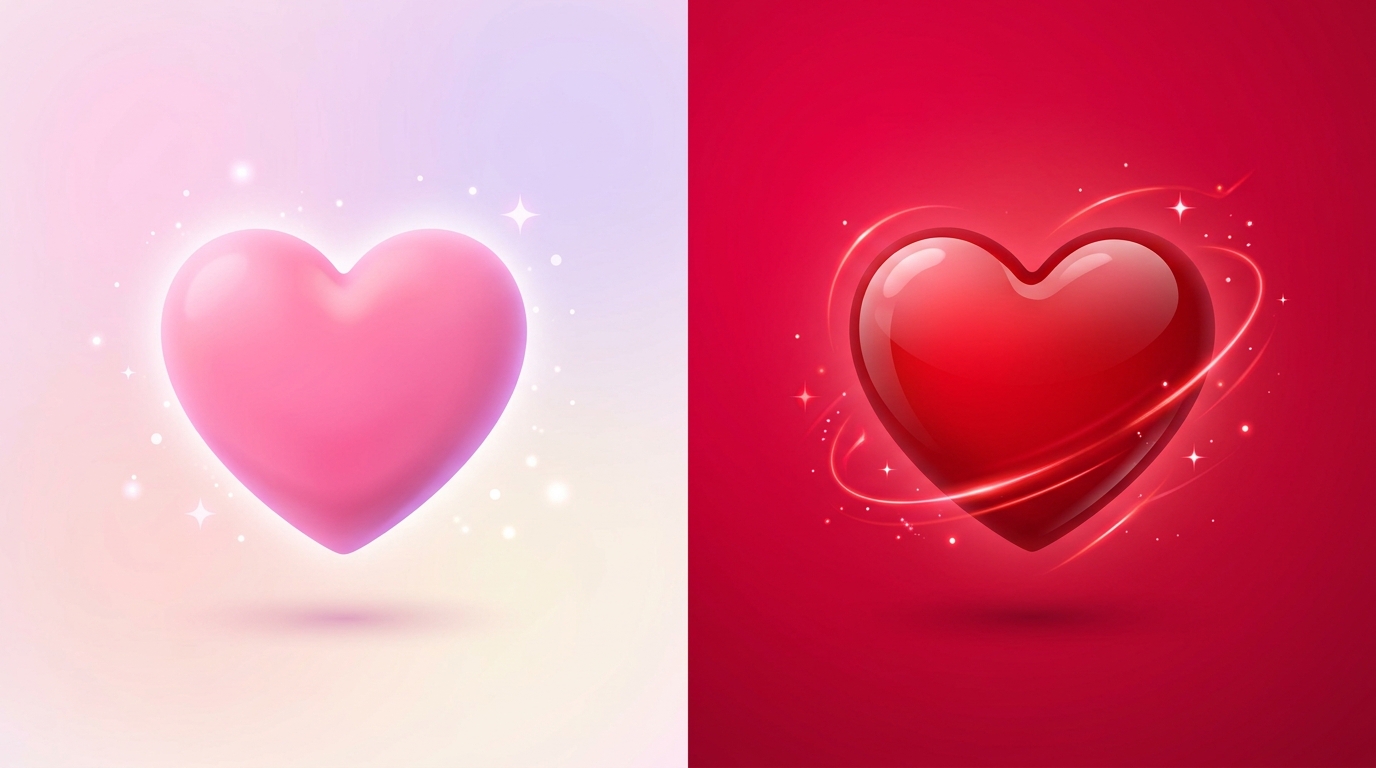
Red Heart
Deep, serious romantic love
Established relationships, strong emotional declarations
🩷
Pink Heart
Soft, gentle affection — spans platonic and romantic
Close friends, early romantic interest, warm support
💕
Two Hearts
Mutual warmth and reciprocal closeness
Couples, very close friends, togetherness
💗
Growing Heart
Affection that is increasing over time
Early romance, developing closeness
💛
Yellow Heart
Pure platonic happiness and friendship
Best friends, cheerful warmth, no romantic reading
💙
Blue Heart
Loyalty, trust, steady friendship
Solid friendships, support, awareness causes
💜
Purple Heart
Admiration, fandom, spiritual support
Fan communities, appreciation, creative support
🖤
Black Heart
Dark humour, irony, alternative aesthetic
Sarcastic warmth, edgy content, close friends
🤍
White Heart
Minimalism, peace, quiet remembrance
Clean aesthetic, grief, calm sincerity
🧡
Orange Heart
Casual, non-romantic warmth and comfort
Friendly reassurance, creative encouragement
⚠️ The most common heart mistake: Sending ❤️ to a close friend can accidentally read as romantic. Sending 💛 to a romantic partner can feel like a demotion. Choose your heart color deliberately — the person receiving it absolutely notices.
4 Hand & Gesture Emojis — 10 Decoded
Hand emojis are among the most frequently misread on WhatsApp — especially across generations and cultures. Here are the ten that matter most:
🙏
Folded Hands
Thank you, please, prayer, or a high five depending on context. Most commonly used on WhatsApp to express genuine gratitude or make a sincere request politely.
Most versatile
👍
Thumbs Up
Agreement or acknowledgement in professional contexts. In personal conversations — especially with Gen Z — a lone 👍 can read as passive-aggressive or dismissive.
⚠️ Generational gap
👏
Clapping Hands
Genuine applause and celebration. Also used sarcastically when clapping between words to emphasise a point forcefully. Context and tone determines which reading applies.
Dual meaning
🤝
Handshake
Agreement, partnership, or mutual respect. Primarily used in professional WhatsApp conversations to signal that a deal, commitment, or understanding has been reached.
Professional
💅
Nail Polish
Complete nonchalance and unbothered confidence. “This does not affect me and never will.” Signals effortless indifference — the emoji equivalent of walking away unbothered.
Gen Z signature
🫶
Heart Hands
Complete, wholehearted warmth and appreciation. One of the most genuinely positive gestures in emoji vocabulary — full support and affection expressed without restraint.
Full warmth
👀
Eyes
Attentive interest, pointed curiosity, or “tell me more.” On WhatsApp it signals that you are watching and engaged. Can also carry flirty undertones when aimed at a person.
Watching / interested
🤞
Crossed Fingers
Hoping for good luck or a positive outcome. Sent when wishing someone well before a big moment — an exam, a job interview, a difficult conversation.
Good luck
👉👈
Two Pointing Fingers
Shyness, nervousness, or the reluctant approach to an embarrassing request. Conveys vulnerability and self-awareness simultaneously — the digital version of shuffling your feet.
Shy / nervous
🙌
Raising Hands
Celebration, agreement, or pure excitement. Used to cheer someone on, celebrate good news, or signal that you are completely on board with what someone just said.
Celebration
5 Gen Z WhatsApp Emoji Meanings vs Everyone Else
One of the biggest sources of WhatsApp miscommunication in 2026 is generational. Gen Z and older users have built genuinely different emoji vocabularies — and they use the same symbols to mean completely different things.
Emoji
What Older Users Mean
What Gen Z Means
😂
Genuine laughter
Cringe — “millennial coded.” Uses 💀 instead
💀
Death, danger, Halloween
“I’m dead laughing” — extreme amusement
😭
Sadness, crying
Laughter, cuteness overload, any emotional extreme
👍
Great, agreed, sounds good
Cold, passive-aggressive, “I’m done engaging”
🙂
Friendly, polite smile
Passive aggression — “I’m not okay with this”
🙃
Silly or playful
“Everything is falling apart but I’m smiling through it”
❤️
General love and warmth
Serious, heavy — reserved for significant emotional moments
✅
Done, confirmed, complete
Bossy and authoritative if sent alone in personal chat
The core difference: Older generations use emojis as emotional punctuation — extras added to text. Gen Z uses them as precise vocabulary — chosen deliberately for specific meaning. The same emoji sent by a 22-year-old and a 45-year-old can communicate completely opposite feelings.
6 10 Emojis With Hidden Meanings on WhatsApp
Some WhatsApp emojis carry meanings that have shifted significantly from their original design — and using them without knowing can send entirely the wrong message.
🍑
Peach
Originally meant the fruit. Now almost universally understood as a reference to a bottom. Using this in any context involving attraction is intentional — and will be read that way.
🍆
Eggplant
The most widely recognised example of emoji repurposing. Originally a vegetable. Now a clear sexual symbol in practically any context involving attraction or flirtation.
🌚
New Moon Face
Dark humour, creepiness, or uncomfortable observation. The sinister emoji — used when someone notices something awkward or says something that reads as slightly threatening or intense.
💦
Sweat Droplets
Original meaning: sweat, water, cooling off. Current common use: sexual connotation in flirtatious contexts. Completely safe to use for actual sweat or water — but be aware how it may be read.
🧢
Blue Cap (Cap)
“That’s a lie.” Cap is Gen Z slang for dishonesty. 🧢 alone in response to a statement means “I don’t believe you.” “No 🚫🧢” means “I’m being completely honest.”
🗿
Moai (Easter Island)
Absolute stoic indifference — the “sigma” response. Beyond unbothered. Used to communicate that the sender is operating on a level completely above whatever drama is happening.
🤌
Pinched Fingers
Originally an Italian gesture meaning “what do you want?” Now used across WhatsApp as general emphasis — “perfection,” “chef’s kiss,” or frustration depending on cultural context.
💀
Skull
Gen Z’s replacement for 😂. Means “I’m dead laughing” — extreme uncontrollable amusement. Has almost completely lost its literal meaning among users under 30 on WhatsApp.
🚩
Red Flag
Warning sign for problematic behaviour. Used both seriously to flag genuine red flags in relationships, and humorously to self-roast. “Listing my red flags” content is a popular format.
😌
Relieved Face
Looks peaceful and content. Often used to signal quiet satisfaction or smugness — “I was right and I am at peace with that.” The emoji of silent, dignified victory.
7 WhatsApp Reaction Emojis Explained
WhatsApp allows you to long-press any message and react with a specific emoji — similar to Instagram or Facebook reactions. The six default reaction emojis appear in the quick reaction bar, and you can expand to choose any emoji from the full set.
The default six quick reactions on WhatsApp are: ❤️ 👍 😂 😮 😢 🙏
Because these emojis are so easily accessible in the reaction interface, they are among the most-used emojis across all WhatsApp conversations. When someone sends a WhatsApp reaction rather than a reply, the emotional intent is typically lighter — a reaction says “I acknowledged this” while a reply says “I want to continue this conversation.”
Choosing between reacting and replying: Reacting with ❤️ to a message your partner sends is warm, but replying with ❤️ and actual words says it far more meaningfully. Reactions are efficient; replies are personal. Choose based on what the moment deserves.
Reaction
What It Signals in Context
When to Use It
❤️
Strong appreciation, affection, or love for the message
Heartfelt messages, good news, meaningful updates
👍
Acknowledgement, agreement, or “got it” — neutral confirmation
Practical messages, logistics, confirmations
😂
Something genuinely made you laugh
Funny messages, jokes, humorous situations
😮
Surprise or shock — positive or negative depending on content
Sadness, sympathy, or emotional resonance with something painful
Bad news, sad updates, messages that deserve acknowledgement
🙏
Gratitude, appreciation, or prayer depending on context
Thank you messages, kind gestures, support received
8 WhatsApp Emoji Etiquette — Do’s and Don’ts
Knowing what emojis mean is only half the picture. Knowing when and how to use them on WhatsApp — and when to leave them out entirely — is what separates clear, effective communication from messages that land wrong.
✅ Do
Match emoji tone to your relationship with the recipient
Use emojis to soften difficult or blunt messages
Consider which heart colour suits the moment
Use fewer emojis in professional WhatsApp threads
Read the context before reacting with a reaction emoji
Use 🙏 to express genuine gratitude — it lands warmly
Pair emojis with words when the message is important
❌ Don’t
Send 👍 alone in personal conversations with Gen Z
Use 🙂 when you mean friendly — it reads as cold
Send ❤️ to a close friend if you want platonic clarity
Overuse emojis — they lose meaning when used on every word
Use 🍆 or 🍑 in any professional WhatsApp context
Assume everyone reads 😭 as sadness — it often means laughter
Use flirty emojis with someone who has not set that tone first
Emojis in Professional WhatsApp Chats
Professional WhatsApp messages — with clients, managers, or colleagues — require a completely different emoji approach. Most face emojis and all heart emojis should be avoided. The safest options in professional contexts are ✅ (completion), 👍 (agreement), and 🙏 (gratitude) — and even these should be used sparingly. The general rule: if you would not say it in a formal email, do not emoji it in a professional WhatsApp message.
9 Frequently Asked Questions
What are the most used emojis on WhatsApp?+
The most used emojis on WhatsApp are 😂 (laughter), ❤️ (love), 😭 (emotional overflow), 🙏 (gratitude or prayer), 😍 (admiration), 🔥 (approval), and 👍 (agreement). These six emojis also appear as WhatsApp’s default quick reaction options when you long-press a message.
Why do emojis look different on WhatsApp vs iPhone?+
WhatsApp has its own custom emoji designs displayed on Android devices and WhatsApp Web. Apple iPhones may show native Apple emoji designs instead. This means the same emoji can look noticeably different between devices, which occasionally changes how expressions are read by the recipient.
What does 😂 mean on WhatsApp in 2026?+
On WhatsApp, 😂 means something is extremely funny — the digital equivalent of LOL or LMAO. It remains one of the most-used emojis globally. However, among Gen Z users, it is increasingly seen as “millennial coded” and replaced by 💀 to signal laughter. If your audience is under 25, be aware that 😂 may read as slightly dated.
Is 👍 passive aggressive on WhatsApp?+
It can be, particularly among younger users. In professional contexts, 👍 is still read as neutral agreement or confirmation. In personal conversations — especially with Gen Z — a lone thumbs up can read as dismissive, cold, or passive-aggressive. The safer choice in personal messages is a warmer response like 🙏, ❤️, or actual words.
What does 🙏 mean on WhatsApp?+
On WhatsApp, 🙏 most commonly means thank you, please, or prayer depending on context. It is one of the most genuinely warm and versatile emojis available — rarely misread, almost universally understood, and appropriate across generations and most cultural contexts.
What does ❤️ mean on WhatsApp?+
The red heart ❤️ represents deep love, affection, or strong emotional connection on WhatsApp. It carries the heaviest emotional weight of all heart emojis — sending ❤️ is never casual. For lighter warmth toward friends or family, options like 🩷 or 💛 communicate care without the intensity that ❤️ implies.
How many emojis does WhatsApp support?+
WhatsApp supports thousands of emojis based on Unicode Consortium standards. Unicode 16.0 includes over 3,900 emojis, and WhatsApp updates its emoji set when new Unicode versions are released. Unicode 17.0 was approved in 2025 and its new emojis — including a squinting face, pickle, and lighthouse — are rolling out to WhatsApp users through 2026.
What does 😭 actually mean on WhatsApp?+
The loudly crying face 😭 has three possible meanings on WhatsApp depending entirely on context: genuine sadness, uncontrollable laughter, or any emotion so overwhelming it has reduced the sender to tears — real or metaphorical. The surrounding message almost always clarifies which meaning applies. In 2025, 😭 was the most-mentioned emoji on social media with 814 million public posts.
💬
Now You Speak WhatsApp Emoji Fluently
Every emoji in a WhatsApp message is a deliberate choice. Understanding what that choice actually means — not just what the emoji looks like — is what separates clear, confident communication from the kind that creates confusion. Use this guide every time you are not sure what someone meant, or before you send something that might land wrong.